
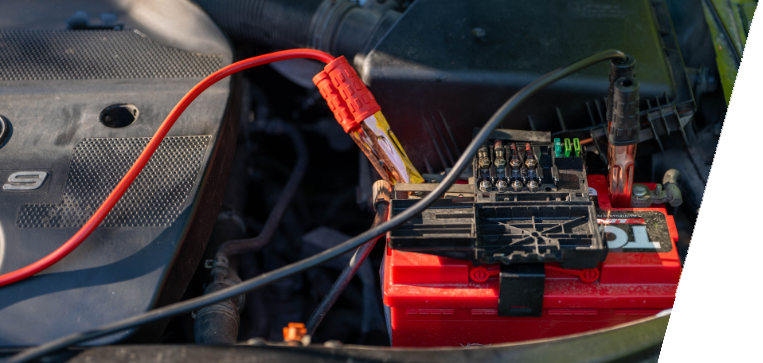
Why Is My Car Battery Dying? 5 Common Reasons
Few things are more frustrating than getting into your car, turning the key or pressing the start button, and realizing the vehicle won’t start.
A dead battery is one possible reason, but figuring out why the battery lost its charge is important. Sometimes the battery itself is the problem. In other cases, another part of the vehicle may be contributing to the issue.
If your car battery keeps dying, here are five common reasons that may be worth investigating.


1. The Battery Is Getting Older
Car batteries don’t last forever. Over time, a battery can lose its ability to hold and deliver the charge needed to start the vehicle.
How long a battery lasts can vary based on the battery itself, the vehicle, driving habits, climate, and other conditions. That means age alone doesn’t necessarily tell you whether a battery needs to be replaced.
If your battery is several years old and you’ve started experiencing slow starts or repeated battery problems, testing the battery can help determine its current condition.
2. Something Is Draining the Battery While the Car Is Off
Some electrical components continue to use a small amount of power even after a vehicle is turned off. This is normal.
However, an electrical problem or something that remains powered when it shouldn’t can potentially drain the battery while the vehicle is sitting. This is sometimes referred to as a parasitic draw.
Something as simple as an interior light being left on can drain a battery. In other situations, diagnosing the source may require electrical testing.
If your battery repeatedly loses its charge after the vehicle sits, an inspection can help determine whether an unexpected electrical draw may be contributing to the problem.
3. There May Be a Charging-System Problem
Your battery works together with other parts of the vehicle’s electrical and charging systems.
Once the engine is running, the charging system helps supply electrical power and maintain the battery’s charge. If something within that system isn’t operating properly, the battery may not receive the charge it needs.
A battery that repeatedly goes dead doesn’t automatically mean the battery itself needs to be replaced. Testing the battery and charging system can help determine where the problem is coming from.
4. Battery Connections May Need Attention
The battery relies on secure electrical connections to work properly.
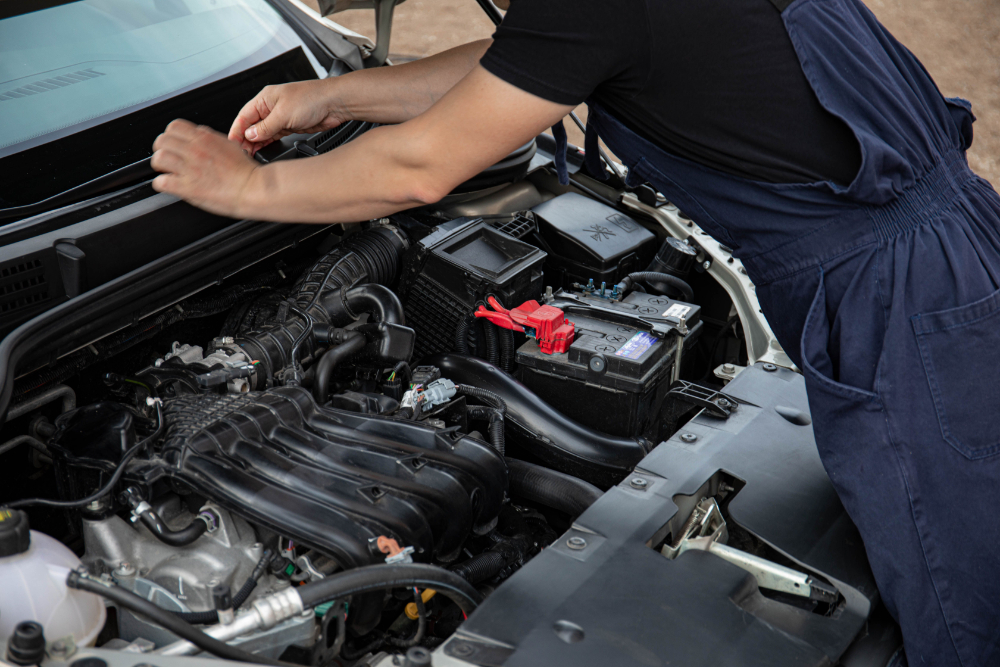
Corrosion, loose connections, or damage around the battery terminals or cables can sometimes interfere with the electrical connection between the battery and the vehicle.
Visible corrosion around a battery terminal may be noticeable, but not every connection problem can be identified just by looking at it.
Inspecting the battery, terminals, cables, and related components can help identify whether a connection issue is contributing to starting or charging problems.
5. The Vehicle Sits for Long Periods
A vehicle doesn’t necessarily have to be driven every day, but leaving it parked for extended periods can affect the battery’s state of charge.
Even when a vehicle is turned off, certain systems may continue to draw a small amount of power. If the vehicle sits long enough without the battery being adequately recharged, it may eventually become too weak to start the engine.
Battery age, condition, temperature, and the vehicle itself can all affect how long a car can sit before starting problems develop.
Why Does My Battery Keep Dying After I Replace It?
If a recently replaced battery keeps losing its charge, the battery may not be the only thing that needs attention.
A charging-system problem, unexpected electrical draw, connection issue, or another electrical concern could potentially cause repeated battery problems.
Rather than continuing to replace or recharge the battery without knowing why it is losing power, diagnostic testing can help identify the underlying cause.
Does a Dead Battery Always Need to Be Replaced?
Not necessarily.
A battery can lose its charge for a number of reasons, and a dead battery does not automatically mean that it has reached the end of its usable life.
The battery’s age, condition, ability to hold a charge, and the reason it became discharged should all be considered. Testing can help determine whether the battery itself needs replacement or whether another issue should be addressed.
Battery and Electrical System Service in Vancouver, WA
If your vehicle is slow to start, the battery repeatedly dies, or you’re unsure about the condition of your battery, consider having the vehicle inspected.
Hazel Dell Automotive & Exhaust provides battery and electrical system service in Vancouver, WA to help identify the source of starting, charging, and other vehicle concerns.
Contact Hazel Dell Automotive & Exhaust to schedule an appointment and have your vehicle inspected.
FAQs
Why does my car battery keep dying?
A car battery can repeatedly lose its charge for several reasons, including an aging battery, an electrical draw while the vehicle is off, a charging-system problem, battery connection issues, or the vehicle sitting for an extended period. Testing the battery and related systems can help identify the cause.
How do I know if my car battery needs to be replaced?
Signs that a battery may need attention can include slow starting, repeated dead-battery problems, or difficulty starting the vehicle. However, similar symptoms can also be caused by charging or electrical problems. Battery testing can help determine its condition and whether replacement is appropriate.
Can a bad alternator cause my battery to die?
A problem within the vehicle’s charging system, including certain alternator problems, can prevent the battery from receiving the charge it needs while the engine is running. Because both battery and charging-system problems can cause similar symptoms, testing can help identify which component needs attention.
Why does my car battery die when the vehicle sits?
Vehicles can continue to use a small amount of electrical power while turned off. If a vehicle sits for an extended period, the battery may gradually lose its charge. Battery condition, temperature, how long the vehicle sits, and unexpected electrical draws can all affect how quickly this happens.
How long does a car battery last?
There is no single lifespan that applies to every car battery. Battery life can vary based on the battery, vehicle, climate, driving habits, and other conditions. Instead of relying on age alone, testing the battery can provide more information about its current condition.
